




MicroTester
Micro-Scale Mechanical Testing System

A micro-scale mechanical testing system for small sample mechanical testing at ultra low forces

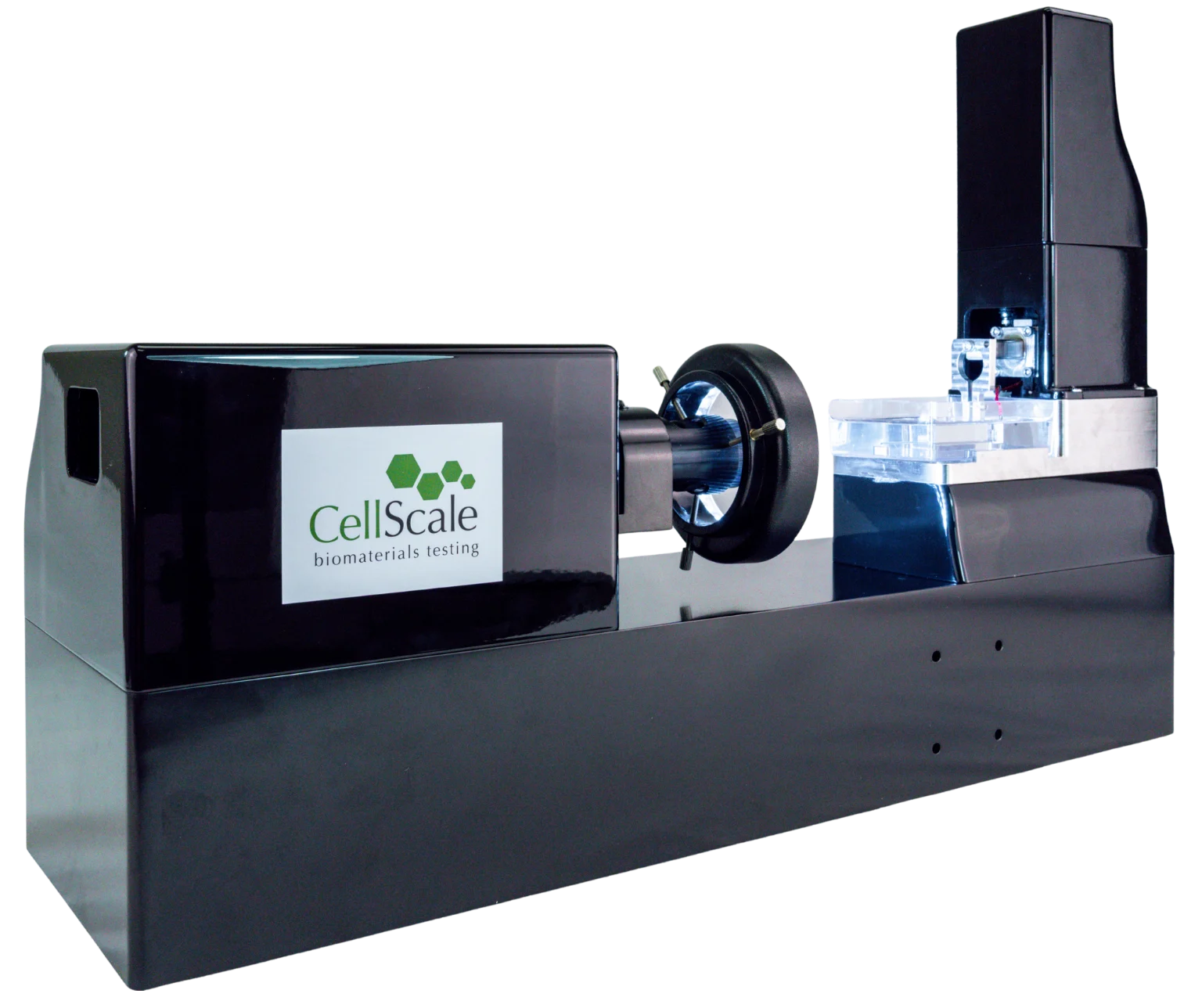
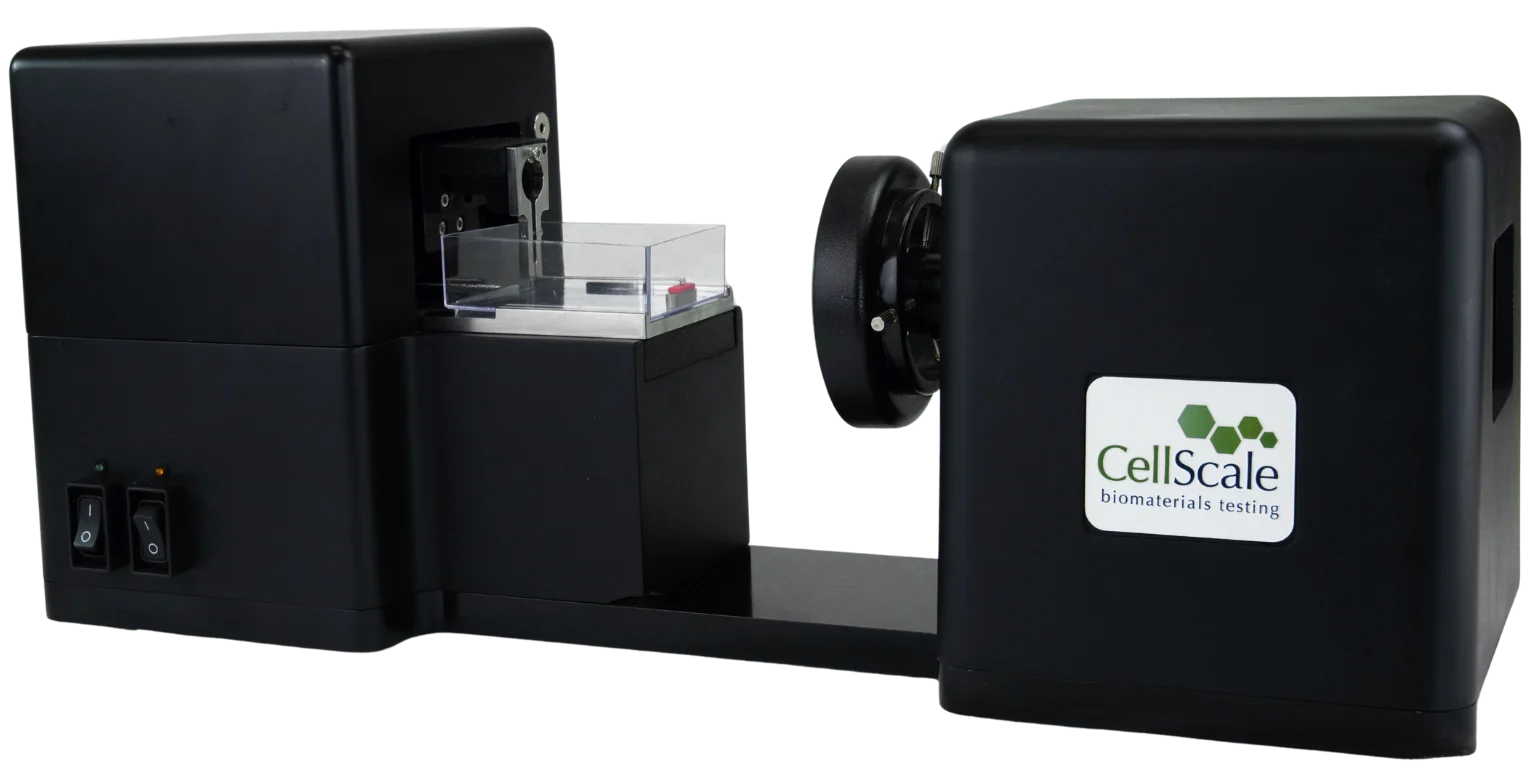
The MicroTester G2 micro-scale mechanical testing system

“We can’t use Instron machines or atomic force microscopy… however, the MicroTester does have the perfect 50 micron to 20 millimeter scale needed to test our samples.”

Rabbia Saeed, Researcher at the Wallace H. Coulter Department of Biomedical Engineering, Georgia Institute of Technology / Emory University, USA.

MicroTester Overview
Micro-Mechanical Testing and Small Sample Mechanical Testing

The MicroTester microforce testing system is designed for researchers working with specimens that are too small, too soft, or too delicate for conventional frames. The MicroTester pairs high-sensitivity force measurement with micro-scale fixtures and real-time visual feedback, making it well-suited for mechanical measurement experiments that depend on precise alignment and defensible deformation measurements. The MicroTester supports force-controlled and displacement-controlled protocols in a compact, benchtop format.

Compared with larger testers, the MicroTester is set up on the benchtop for short-travel motion, imaging-friendly access, and low-force measurement. In practice, it can be used as a micro-compression and indentation tester and a microscale 3-point tensile tester, supporting micro-mechanical testing and microforce testing system workflows where alignment, contact definition, and visual confirmation are part of the routine.

MicroTester Models and Core Specifications

The MicroTester micro-scale mechanical testing system is available in two configurations to match force resolution, actuation performance, and imaging needs.

MicroTester G2

The MicroTester G2 micro-scale mechanical testing system

The MicroTester G2 is the highest-performance configuration for micro-scale testing with fine motion control with a 0.1um resolution, and expanded options for imaging and test axes. It is commonly selected for demanding microforce workflows, advanced fixture setups, and projects where alignment precision and visual confirmation are critical. Optional shear testing capability is available.

MicroTester LT

The MicroTester LT micro-scale mechanical testing system

The MicroTester LT is a cost-effective configuration for core small sample mechanical testing workflows requiring a 1um displacement resolution and a narrower range of sample dimensions, supporting compression, indentation, bending, and micro tensile tester setups with integrated imaging and a hydrated test environment.

Specification MicroTester G2 MicroTester LT
Dimensions (cm) 56 x 14 x 24 52 x 17 x 21
Weight (kg) 9 6.5
Force Capacity (mN) 25 25
Microbeam / Force Trandsucer Range (mN) 0.005 – 25 0.005 – 25
Force Accuracy 0.3% of microbeam capacity 0.3% of microbeam capacity
Sample Thickness Range (mm) 0.05 – 10 0.25 – 5
Max Velocity (mm/s) 0.5 0.5
Max Cycle Frequency (Hz) 0.5 0.1
Max Data Rate (Hz) 15 5
Max Grip Separation (mm) 10 10
Actuator Technology Piezo-electric Motor Stepper Motor
Actuator Resolution 1 0.1
Camera Resolution (px) 2048 x 2048 Stepper Motor
Camera Field of View (mm) 0.4 – 11.0 0.8 – 5.5
Secondary Camera Option Yes No
Shear Axis Option Yes No

Mechanical Testing Capabilities

The MicroTester supports mechanical testing methods commonly used in mechanobiology and biomaterials research. Each capability summary below links to the dedicated Testing Methods page for deeper technical detail.

Micro-Mechanical Testing

With the MicroTester: Micro-scale loading protocols for tiny specimens using matched micro-scale fixtures and microforce measurement with included microbeams.

For biomaterials: Small specimens are often sensitive to handling artifacts and geometry uncertainty. The MicroTester supports careful alignment and imaging context so deformation can be interpreted in the region of interest.

Example specimens: hydrogels, microspheres, spheroids, engineered microtissues, microfabricated structures.

Compression Testing

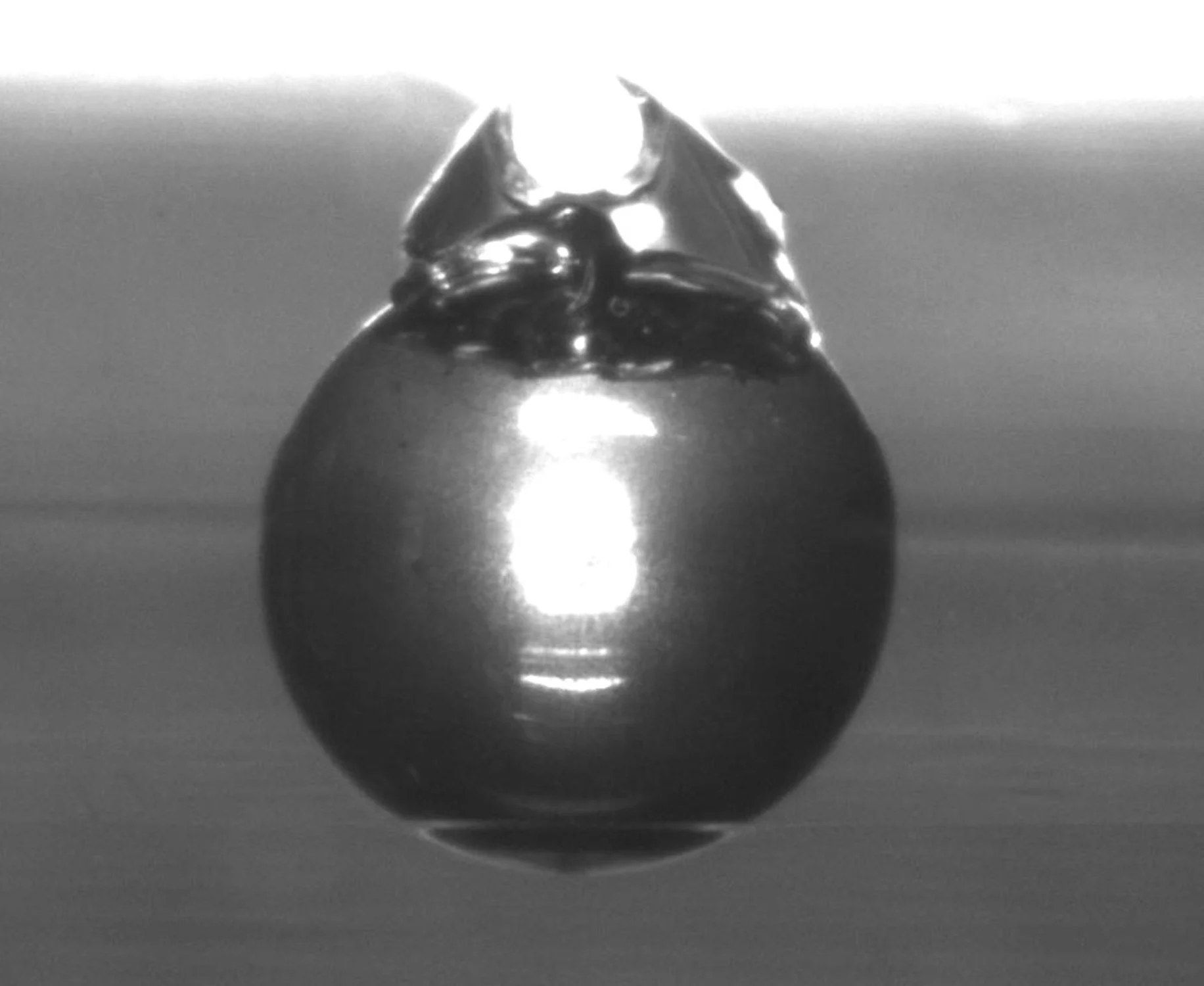
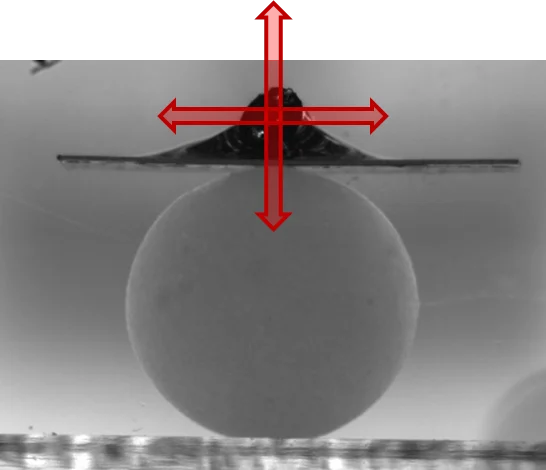
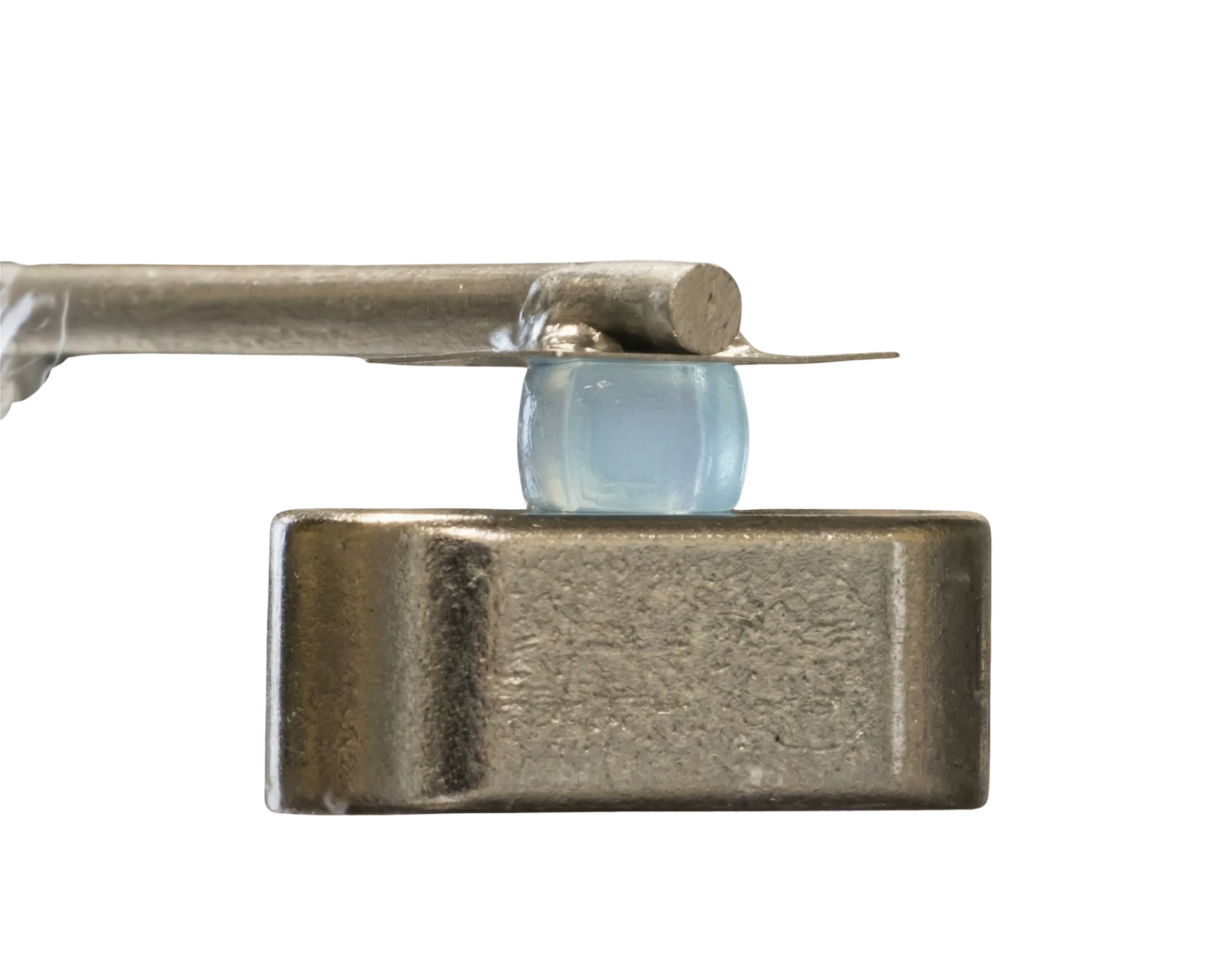
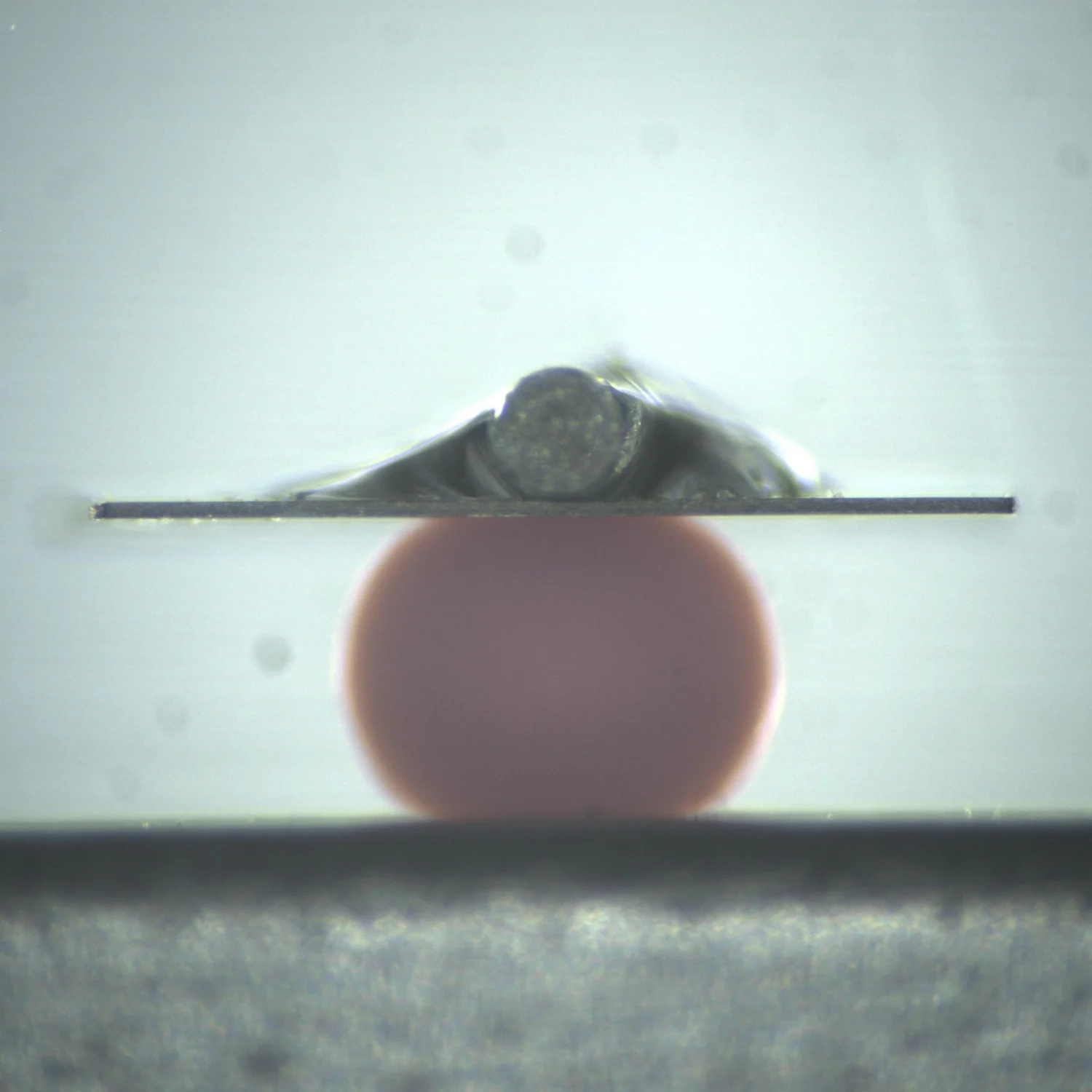
With the MicroTester: As a micro-compression tester, you can run parallel-plate compression protocols for micro-scale samples, supporting displacement or force control.

For biomaterials: Compression is a primary mode for soft gels and microtissues. Micro-scale fixtures and microforce sensitivity improve detection of subtle differences across treatments and formulations.

Example specimens: hydrogel microspheres, small hydrogel cylinders, spheroids, microtissues, soft polymer microstructures.

Ultra Low Force Testing

With the MicroTester: As a microforce testing system, you can run ultra-low force protocols for delicate specimens using microforce measurement with a 100nN resolution and matched force transducers to the required range.

For biomaterials: Many micro-scale constructs show small, treatment-dependent changes. Ultra low force testing helps resolve these differences while reducing risk of specimen damage.

Example specimens: soft hydrogel microspheres, thin membranes, microtissues, spheroids.

Hydrated and Temperature-Controlled Testing

With the MicroTester: Hydrated tests using a fluid chamber, with temperature control when needed for sensitive samples.

For biomaterials: Many soft specimens shift during a test if hydration or temperature changes. A stable fluid bath and a consistent setpoint help keep runs comparable on a micro-scale mechanical testing system.

Example specimens: cell-laden hydrogels, organoids, scaffolds, ECM-derived matrices, engineered microtissues.

Viscoelastic and Time-Dependent Testing

With the MicroTester: Ramp, hold, and cyclic routines to capture time effects during loading and recovery, including stress-relaxation testing.

For biomaterials: Many gels and tissue-like materials show strong time dependence at low forces. A stable microforce testing system helps when you are comparing formulations, culture conditions, or treatments using the same timing.

Example specimens: hydrogels, ECM-derived materials, spheroids, soft polymer microstructures.

Indentation Testing

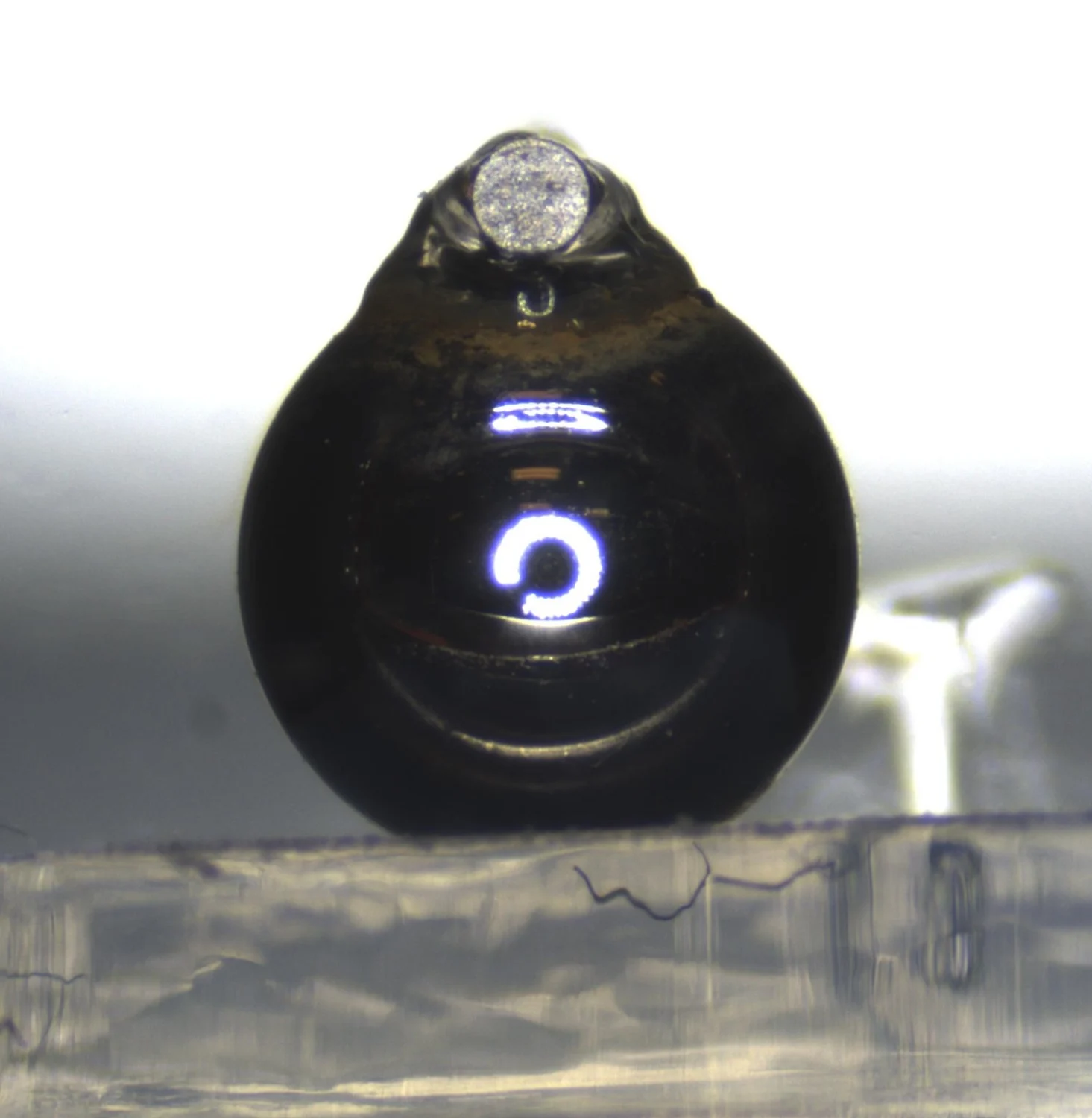
With the MicroTester: Indentation workflows using spherical indenters to probe local stiffness and spatial variability.

For biomaterials: Indentation can quantify local mechanics when samples are heterogeneous or too small for bulk tests. Imaging context helps validate contact and interpret localized deformation.

Example specimens: hydrogels, tissue sections, thin constructs, layered biomaterials.

Shear Testing

With the MicroTester: Shear loading when configured with an optional shear axis (on the MicroTester G2), supporting controlled shear displacement for micro-scale samples.

For biomaterials: Shear is often the loading mode you care about when tissues or gels slide against a surface or against each other. It can show interface effects that do not show up in a straight compression test.

Example specimens: soft gels, layered microstructures, tissue-mimetic systems.

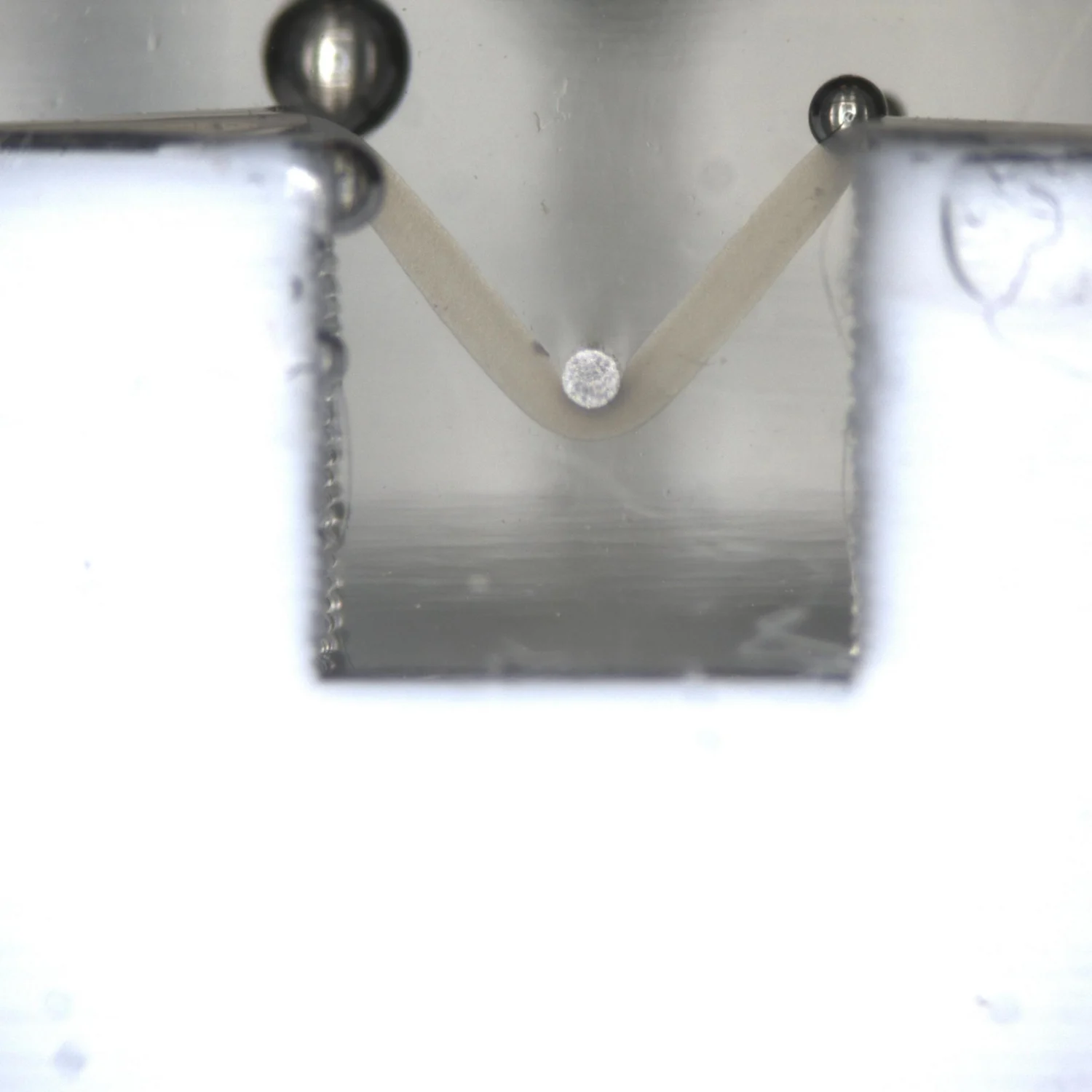
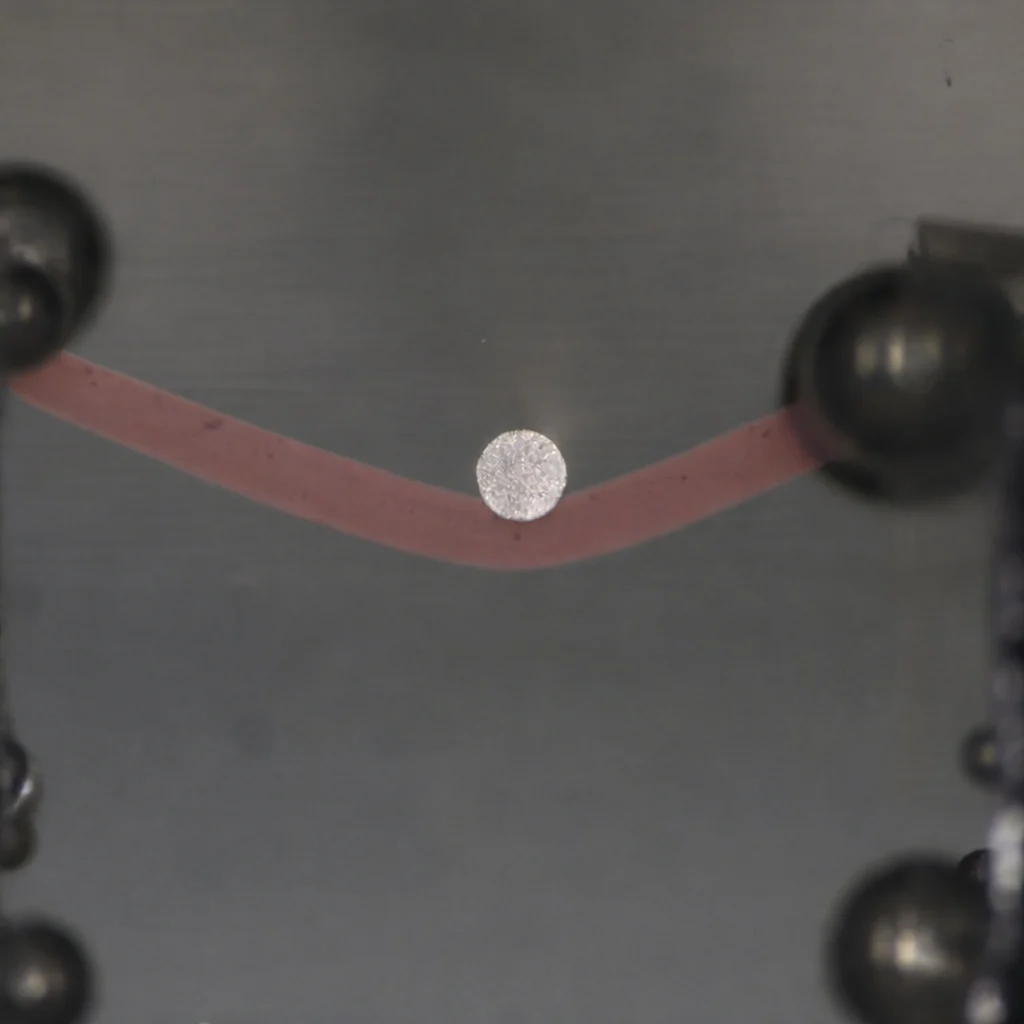
3-Point Tensile Testing

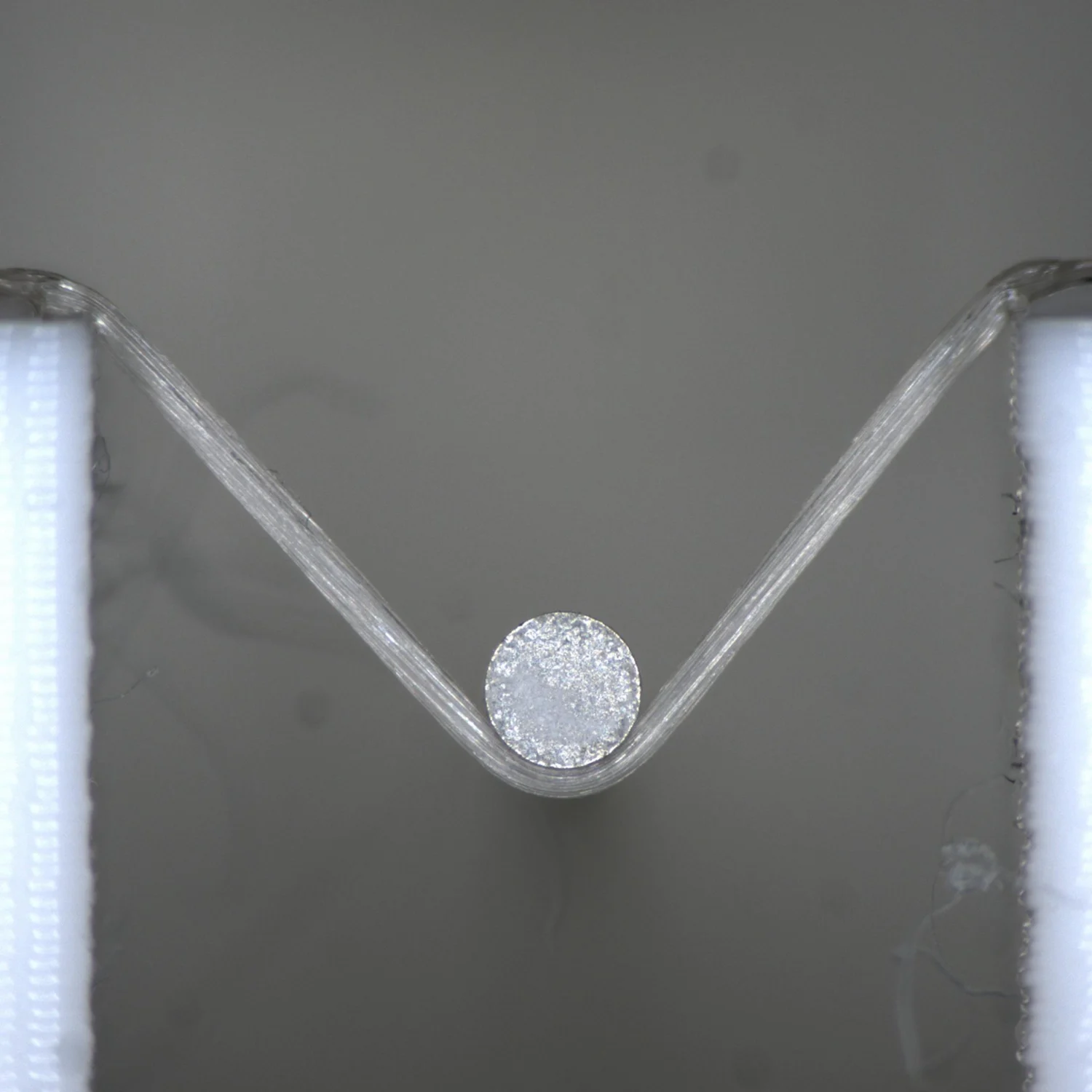
With the MicroTester: Can be configured for tension-style bending workflows that help reduce handling challenges for delicate samples.

For biomaterials: Useful for testing small materials and structures where traditional tensile gripping may be difficult or where fixture geometry needs to better match the specimen form.

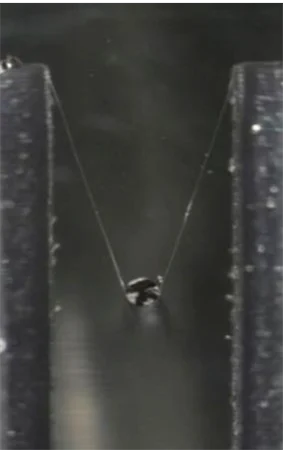
Example specimens: thin films, fibres, microfabricated beams, foil strips, small biological beams.

Selecting a Force Range & Configuration

The MicroTester is a microforce testing system configured to match force range to specimen type. Selecting an appropriate force transducer (microbeam) improves sensitivity for compliant samples and helps resolve small mechanical differences between treatments.

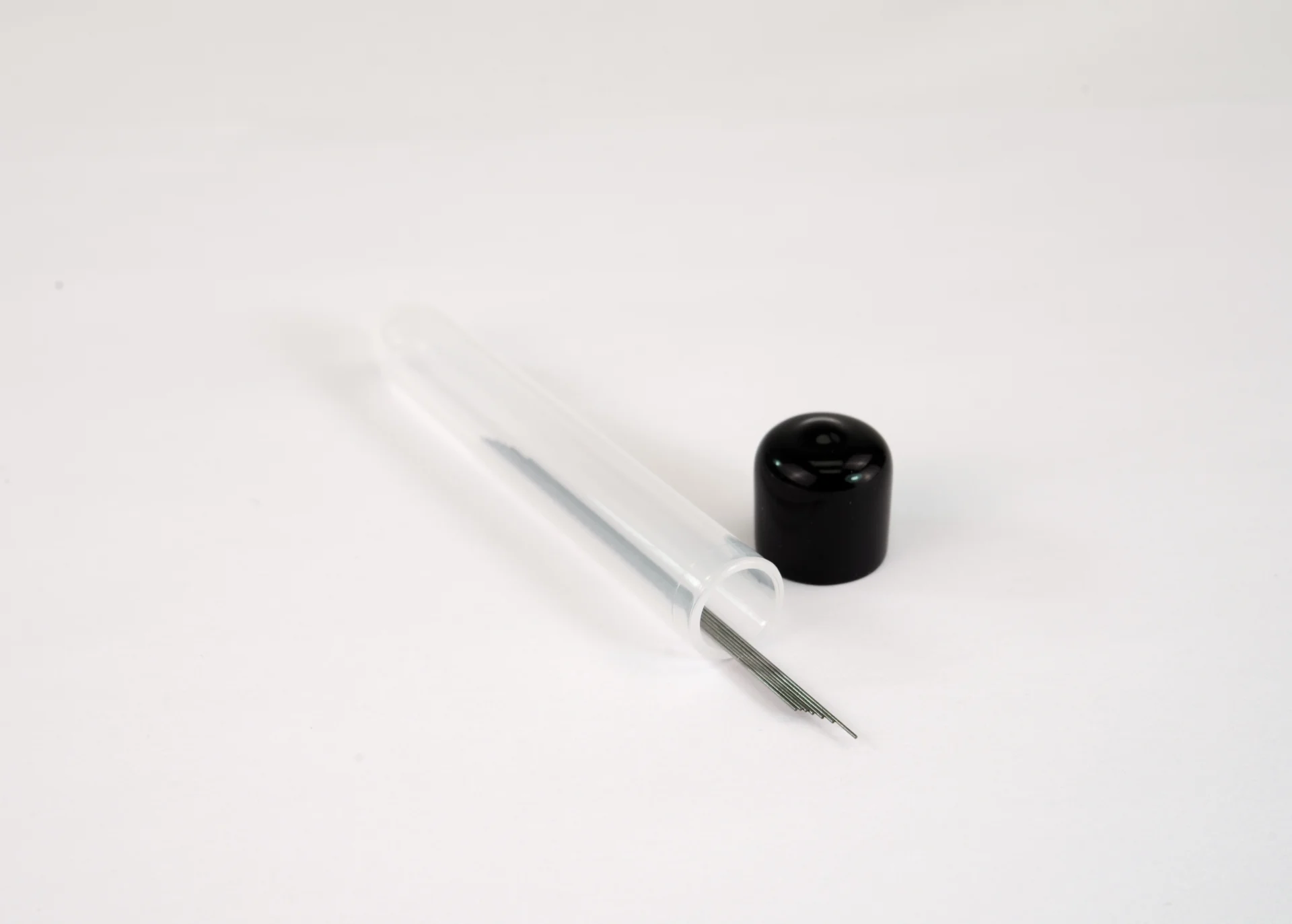
Microbeams are interchangeable force-sensing elements that set the MicroTester’s force range and sensitivity for each specimen type. 7 sizes of microbeams are included with both MicroTester G2 and MicroTester LT, and labs typically select the microbeam size that best matches their expected force range and specimen compliance.

Because microbeams are consumable, many research groups re-order them over time as they run new specimen types or replace beams during ongoing studies. Microbeam sizes range from 0.0762 mm to 0.5588mm, allowing the MicroTester micro-scale mechanical testing system to be configured for sensitive microforce testing while still supporting higher-load micro-compression tester workflows when needed.

A set of microbeams

Specimens and Mounting

The MicroTester supports micro-scale fixtures intended to reduce setup variability and improve repeatability. Typical peak loads in micro-mechanical testing are often in the micro-Newton to milli-Newton range, where conventional load cells struggle with resolution.

Custom Fixtures and Experimental Setups

When specimen geometry or protocols are non-standard, CellScale can design custom fixtures, control approaches, or environmental accommodations to support defensible research outcomes.

Imaging and Optical Feedback

In micro-mechanical testing, imaging is not optional. It is how you verify alignment, contact definition, and where deformation is actually occurring. The MicroTester integrates imaging for setup verification and test visualization, which is critical in micro-scale mechanical testing where alignment errors can dominate results.

Environmental Control: Hydrated Mechanical Testing

The MicroTester micro-scale mechanical testing system supports hydrated testing in a compact fluid chamber to maintain sample hydration and improve repeatability. Temperature control is often used when comparing conditions across time, cohorts, or treatment groups.

Software: Data Workflow and Data Analysis

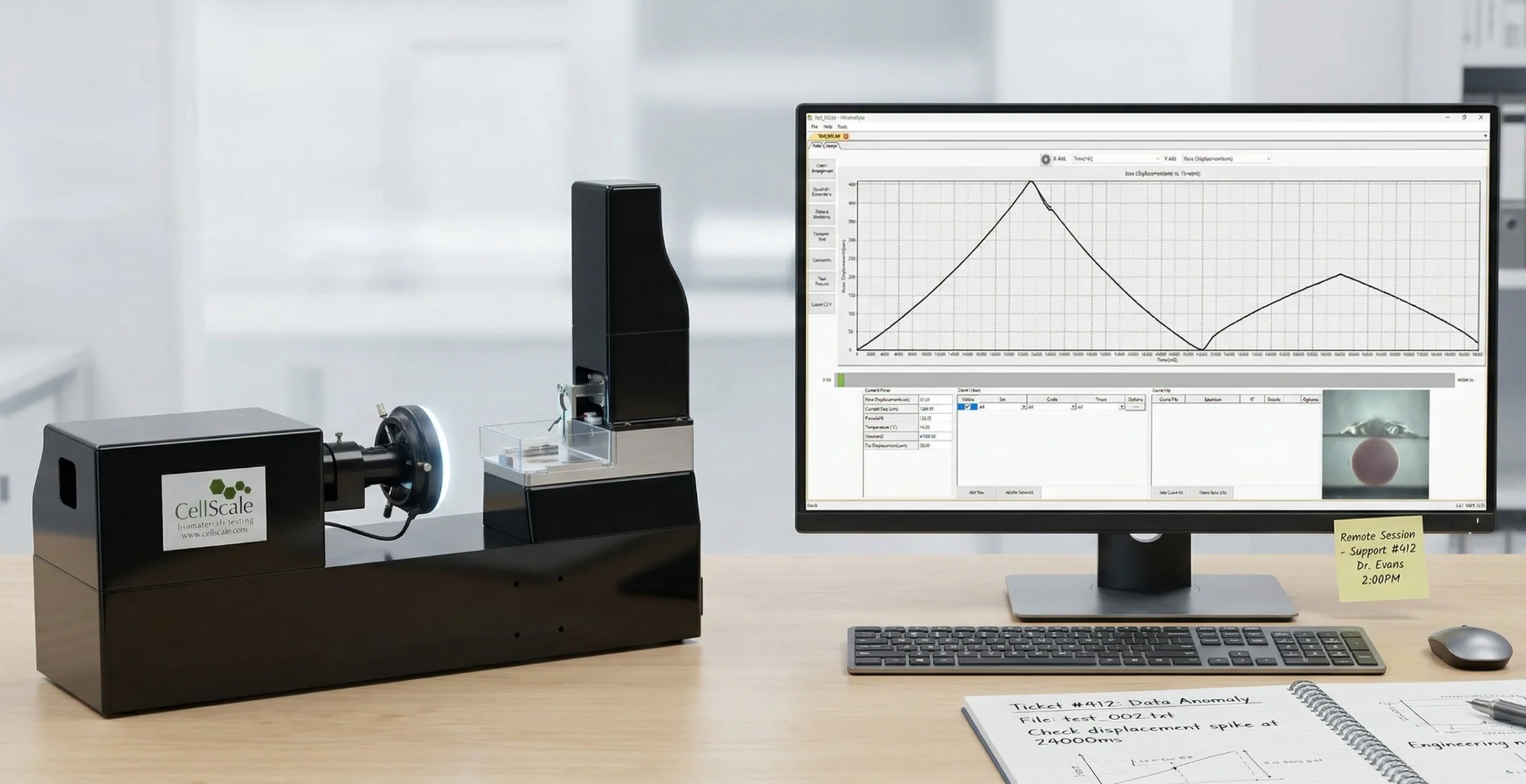
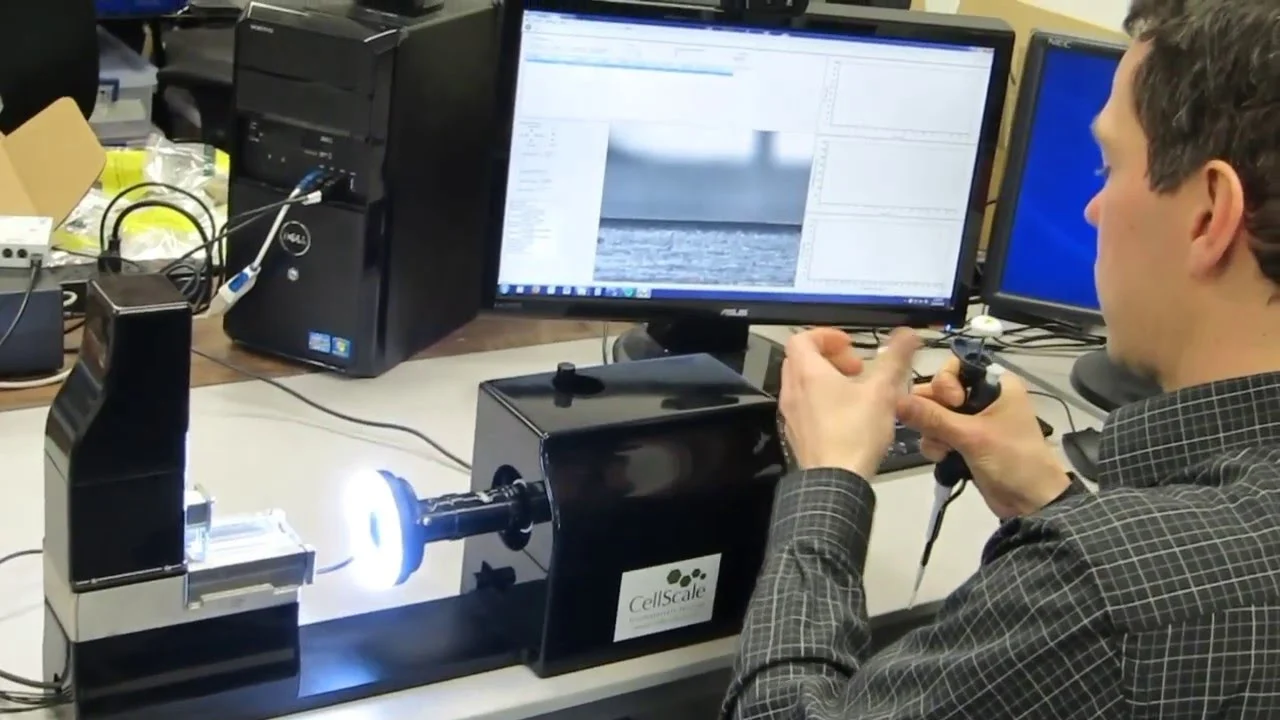
The MicroTester’s built-in LabJoy software (lifetime licence) supports table-based protocol setup for displacement-controlled and force-controlled tests, including cyclic sequences and time-dependent holds. During setup and testing, the interface provides real-time imaging and live feedback aligned to micro-scale workflow needs.

A view of the MicroTester G2 next to a monitor with LabJoy software open

Micro-mechanical protocol control

Define multi-step sequences that include preconditioning, ramps, holds, relaxation steps, and recovery phases.

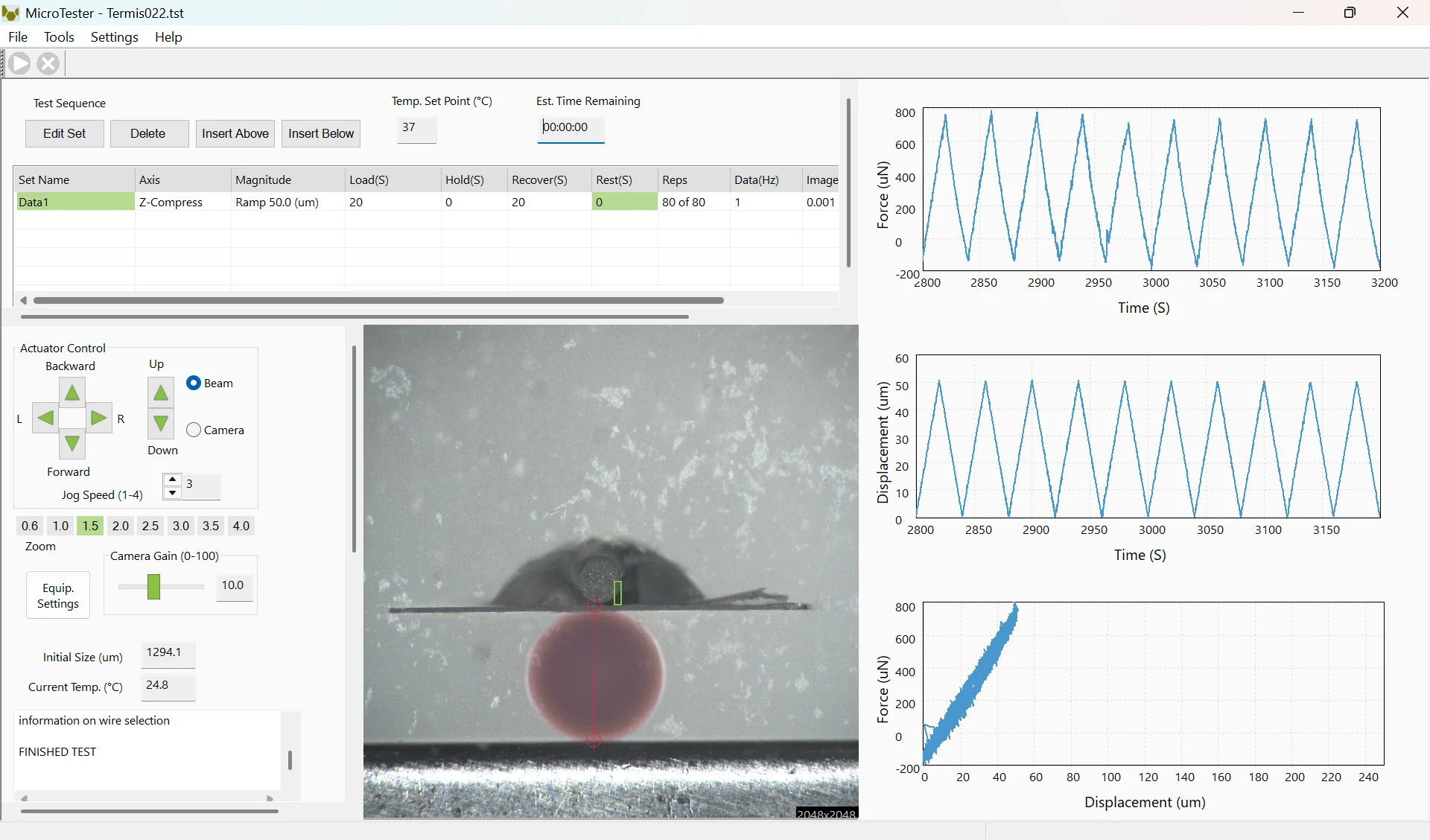
A screenshot of the Data Analysis software with MicroTester compression data

Data analysis and export

Export datasets into our Data Analysis software (also included with lifetime licence) for comparisons across treatments and specimen types. Imaging outputs support documentation and post-test interpretation.

LabJoy Software Demonstration

MicroTester in Journal Publications

The MicroTester appears in hundreds of peer-reviewed studies involving micro-mechanical testing, hydrogel mechanics, spheroid and organoid characterization, and mechanotransduction experiments where microforce sensitivity and imaging are essential.

3D fractal topography attenuates inflammation and confers resilience to glomerular podocytes

Wang Y, Dikyol C, et al.

Cell Biomaterials

MicroTester

Hydrated and Temperature Controlled TestingIndentation TestingMicro-Mechanical Testing

Fibrosis & Tissue RemodelingMechanotransductionOrganoid and Tissue Mimetic Systems

2026

Mechanically graded granular scaffolds for osteochondral tissue engineering

Mierswa SC, Wheeler EE, et al.

Biomaterials Advances

MicroTester

Compression TestingHydrated and Temperature Controlled TestingMicro-Mechanical Testing

Bone Tissue Engineering & MechanicsCartilage and Meniscus MechanicsScaffold Mechanical Testing

2026

3D-printed scaffolds encapsulating red-blood-cell-derived extracellular vesicles for microRNA delivery

Huang C, Jayasinghe MK, et al.

Cell Biomaterials

MicroTester

Compression TestingMicro-Mechanical Testing

3D Bioprinting & Bioink Materials TestingDrug Screening & Drug Delivery MechanicsNeural Tissue & CNS MechanicsScaffold Mechanical Testing

2026

Comments From Real Researchers

“Our lab focuses on micro and nanoscale 3D-printing of soft hydrogels for tissue engineering applications. The MicroTester is a unique device capable of accurately testing our 3D-printed scaffolds where other methods have fallen short. The software provided is easy to use and provides flexibility for the diverse needs of our lab.”

Dr. Justin Liu headshot

Dr. Justin Liu

PhD. Researcher in the Department of Nanoengineering, University of California, San Diego, USA.

“CellScale MicroTester represents a unique opportunity to perform mechanical assays in cell spheroids together with a versatile optical system. We also have a great experience with CellScale’s customer support… We can prove using MicroTester that our cartilage, built in a laboratory, is capable of resisting… The MicroTester for us we use as kind of a standard for that.”

Dr. Leandra Baptista headshot

Dr. Leandra S. Baptista

PhD. Professor in Tissue Bioengineering at the Federal University of Rio de Janeiro, Brazil.

“We measure simultaneously how much force is needed to compress tissue, but also how much force it takes to keep tissue in this form… We measure peak forces between 1 and 3 micronewtons… The MicroTester is a perfect device to probe these properties.”

Dr. Gabriel Krens headshot

Dr. Gabriel Krens

PhD. Manager of Imaging & Optics Facility at Institute of Science and Technology Austria.

MicroTester Videos

Short videos demonstrate micro-scale test setup, compression and indentation workflows, example datasets, and real-world research using the MicroTester.

MicroTester Videos
5 Videos
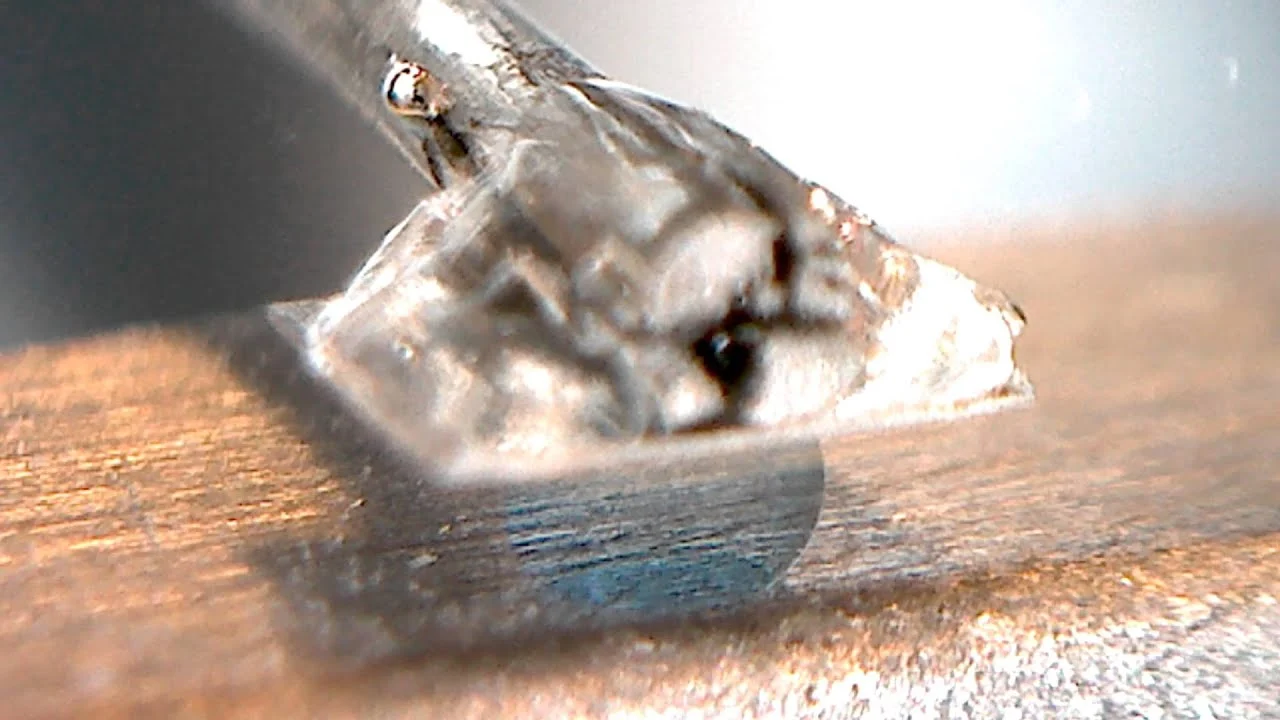
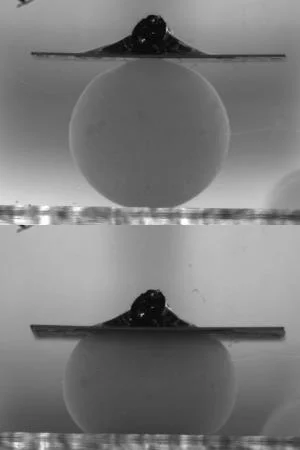
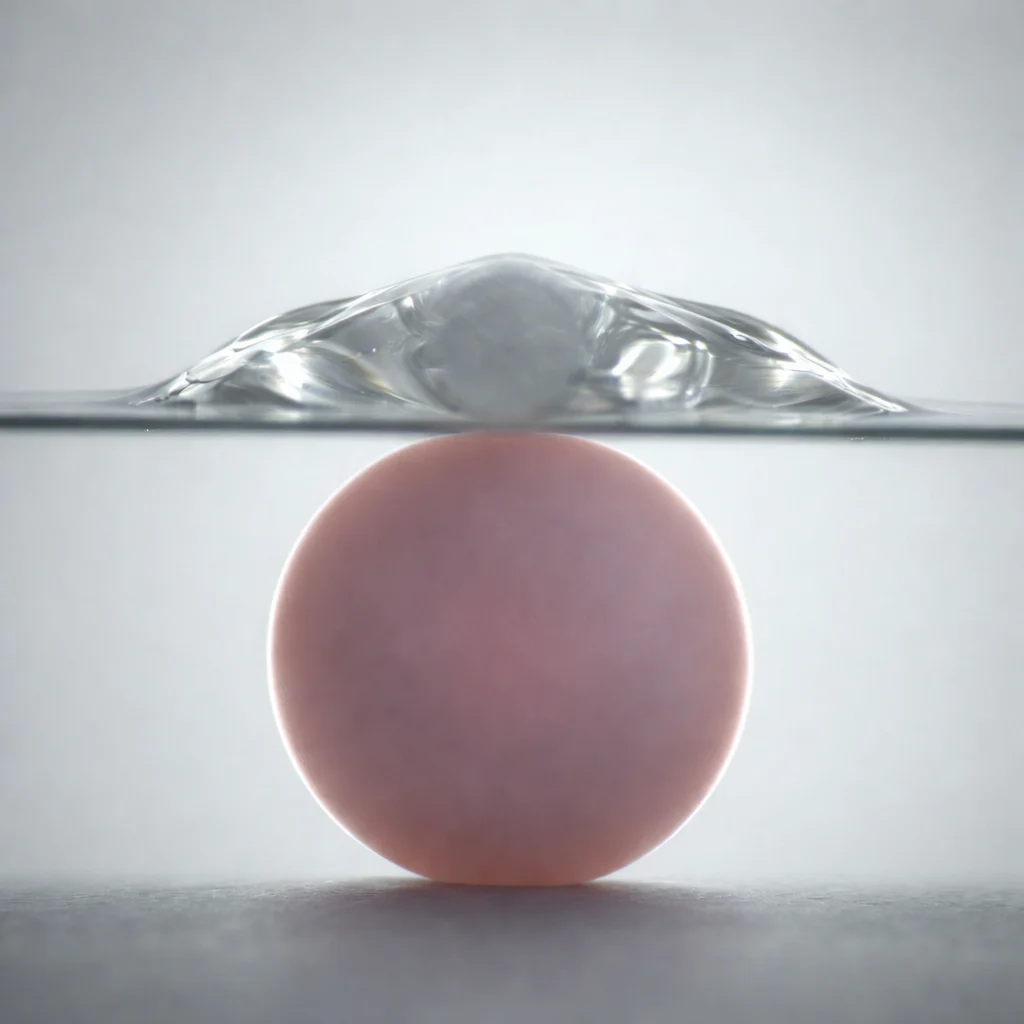
Hydrogel Microsphere Parallel-Plate Compression Test Demonstration

Step-by-step demonstration of parallel-plate compression testing on hydrogel microspheres using the MicroTester.

Downloads

Download technical resources for the MicroTester micro-scale mechanical testing system.

FAQs About the MicroTester

The MicroTester is a micro-scale mechanical testing system built for small sample mechanical testing when forces are too low for conventional frames. It supports micro-compression, indentation, and micro tensile testing, with integrated imaging to verify alignment, contact definition, and deformation in the region of interest.

MicroTester targets micro-scale samples that are difficult to test on larger mechanical frames. Typical specimens include fibers, filaments, thin films or membranes, microtissues, organoids, and small engineered constructs in hydrogel. It is most useful when specimen size and mounting details would otherwise dominate the measurement.

Most users run micro-compression and indentation first, and expand into micro tensile and cyclic protocols.. The same platform can also handle stress relaxation and other time-dependent viscoelastic tests. What you can run, and how clean the data looks, depends mainly on geometry and how the specimen is mounted.

When forces are extremely small, a standard load cell can read more noise than signal, especially if the sample is soft or the differences between groups are subtle. A microforce testing system is designed to work in that low-force regime with usable resolution and stability. That translates into clearer curves, fewer “flat” signals, and less time spent wondering whether a trend is real or just instrumentation limits.

A microbeam is the force-sensing element that sets both sensitivity and usable force range for a given test. If you expect very small peak loads, you choose a smaller diameter microbeam so the response is well above the noise floor. If you expect higher loads, you select a stiffer option to avoid saturating the measurement. In practice, most labs pick the microbeam so their peak force lands comfortably in the middle of the prescribed measurement range (described in the user manual).

Yes. MicroTester workflows commonly use a liquid environment so hydrated specimens remain in solution during loading. Temperature can also be managed when experiments require stable, near-physiologic conditions. Many groups use this approach for living constructs and soft hydrogels.

Choose the MicroTester when specimens are micro-scale and forces are typically in the micro-Newton to milli-Newton range, or when alignment and contact definition require integrated imaging. For larger soft tissues and benchtop tensile and compression testing of biomaterials, the UniVert is often a better fit. For planar biaxial soft tissue biomechanics, the BioTester is usually more appropriate.

Yes. The MicroTester can run stress relaxation and related time-dependent protocols. The combination of stable microforce measurement and imaging helps separate true specimen response from setup compliance, which is important for publishable viscoelastic comparisons.

Talk to an Applications Specialist

If you share specimen type and the testing method you plan to run, we will recommend a MicroTester configuration and fixture approach that supports repeatable micro-mechanical testing.

Contact Sales

Product of Interest: