The CellScale company logo
  • HOME
  • PRODUCTS
    • View All Products
    • Mechanical Testing
      • UniVert – Uniaxial Testing
      • BioTester – Biaxial Testing
      • MicroTester – Micro-Scale Testing
      • Eclipse – Ultra Low Force Sensor
    • Cell & Tissue Stimulation
      • MCJ1 – 6 Chamber Tension Stimulation
      • MCTX – 6 Well Compression Stimulation
      • MCT6 – Uniaxial Tension Stimulation
      • MCTR – Hydrostatic Pressure Stimulation
    • Educational Tools
      • UniVert Classroom and Curriculum
    • Custom Solutions
      • Custom Solutions For Your Needs
  • RESOURCES
    • Data Analysis
    • Downloads
    • Publications & Real-World Applications
    • Technical Product Support
    • FAQs
  • ABOUT US
    • CellScale History
    • Upcoming Events
REQUEST INFO
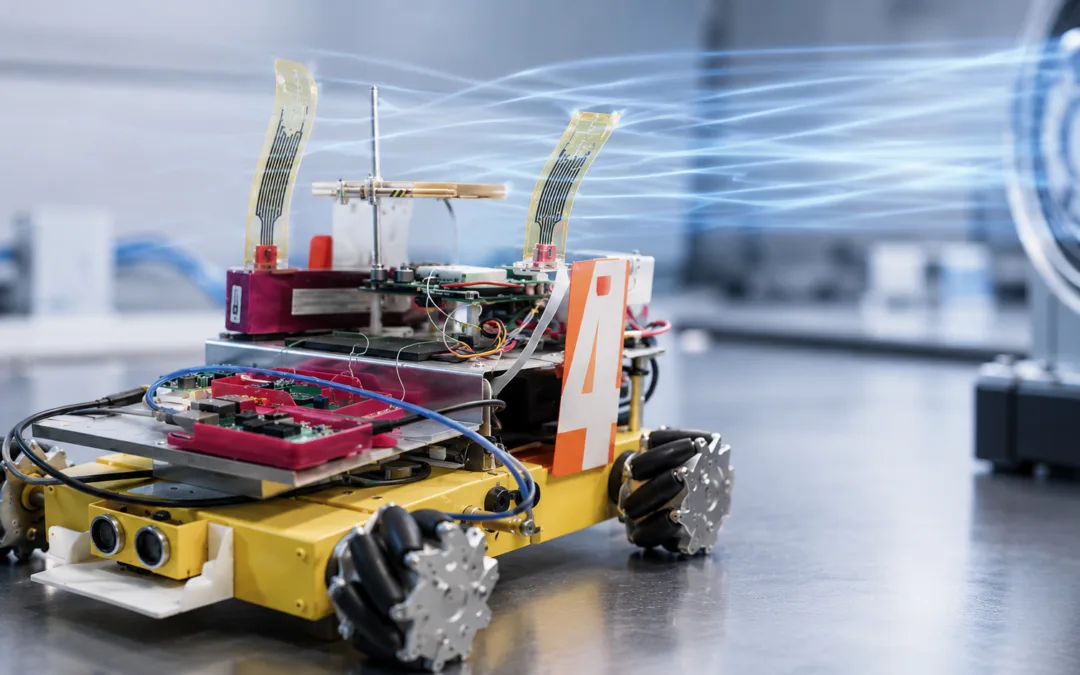
Delivering Antifreeze Proteins with Silk Microneedles

Delivering Antifreeze Proteins with Silk Microneedles

by Steve Dragos | Apr 16, 2026 | Research Highlights

Antifreeze protein delivery sounds a little unusual at first, but the problem behind it is fairly practical. Antifreeze proteins have been studied for years because of the way they interact with ice crystal growth and ice recrystallization, which makes them...
Mechanical Stimulation in Tendon Tissue Engineering

Mechanical Stimulation in Tendon Tissue Engineering

by Steve Dragos | Apr 9, 2026 | Research Highlights

Tendon tissue engineering often looks straightforward on paper. Make an aligned scaffold, seed cells, add a differentiation cue, then wait for the construct to move in the right direction. In practice, it usually gets messier than that. Tendon cells and tendon-like...
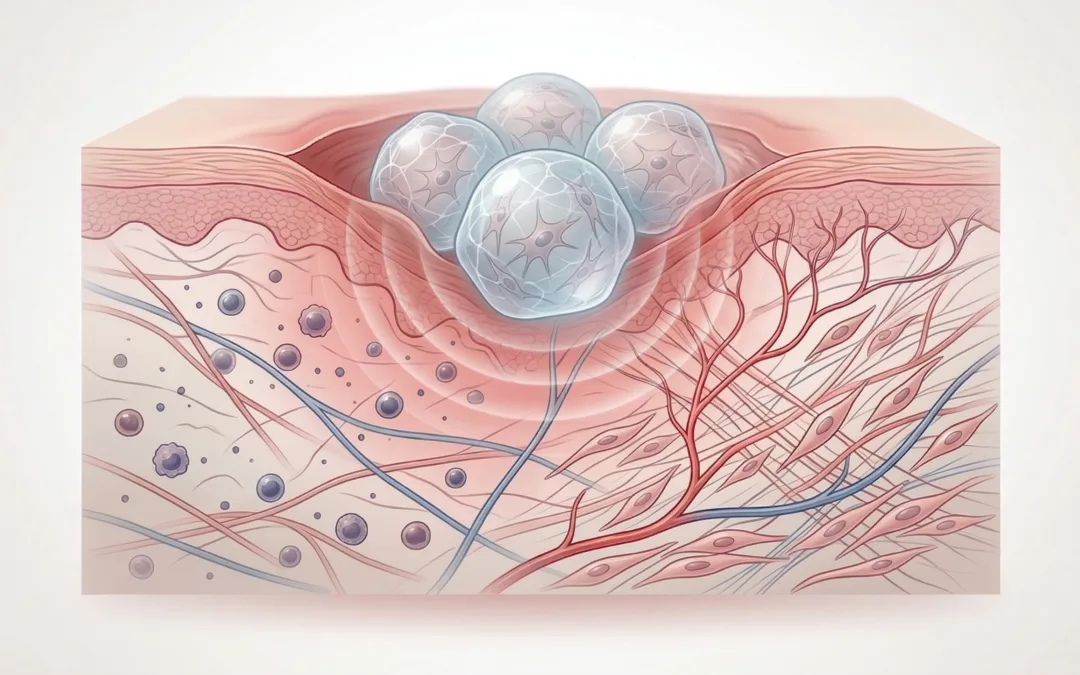
New 3D Bioprinted Osteosarcoma Model for Drug Testing

New 3D Bioprinted Osteosarcoma Model for Drug Testing

by Steve Dragos | Apr 2, 2026 | Research Highlights

Osteosarcoma research (like much of the cancer field in general) has had a persistent problem for years. The standard 2D dish is too simple, animal models are slow and messy in their own ways, and somewhere in between there is still a real need for a tumour model that...
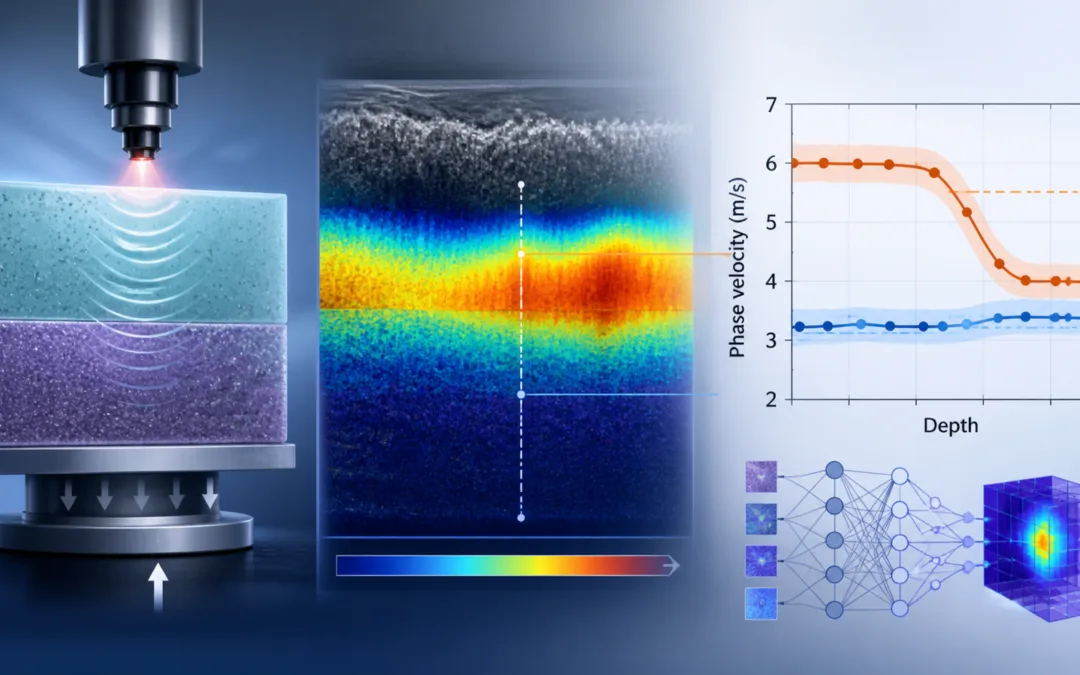
Scleral Cross-Linking for Myopia: Biomechanics and Safety Over Time

Scleral Cross-Linking for Myopia: Biomechanics and Safety Over Time

by Steve Dragos | Mar 26, 2026 | Research Highlights

Myopia (nearsightedness) is usually described in optical terms, but the tissue story underneath it shouldn’t be ignored. As the eye elongates in myopia, the sclera is part of what changes with it. That has pushed more attention toward scleral cross-linking as a...
Nucleus Pulposus Regeneration Using Injectable Scaffolded Spheroids

Nucleus Pulposus Regeneration Using Injectable Scaffolded Spheroids

by Steve Dragos | Mar 19, 2026 | Research Highlights

Back pain is easy to describe in symptoms and much harder to pin down at the tissue level. In a degenerated intervertebral disc, the nucleus pulposus is not quite doing the same job anymore. It loses some of the hydrated, proteoglycan-rich character that normally...
« Older Entries

Latest Posts

  • Delivering Antifreeze Proteins with Silk Microneedles
  • Transparent bioreactor chamber holding an aligned electrospun tendon scaffold with elongated cells oriented along the fibre direction, illustrating mechanical stimulation in tendon tissue engineering in a research lab.
    Mechanical Stimulation in Tendon Tissue Engineering
  • Featured illustration of a 3D bioprinted osteosarcoma model with tumour spheroids embedded in a trabecular-like hydrogel scaffold
    New 3D Bioprinted Osteosarcoma Model for Drug Testing
  • Scleral Cross-Linking for Myopia: Biomechanics and Safety Over Time
  • Injectable scaffolded spheroid at the tip of a needle above intervertebral disc tissue, illustrating nucleus pulposus regeneration with a 3D printed microscaffold-supported cell construct.
    Nucleus Pulposus Regeneration Using Injectable Scaffolded Spheroids
  • Featured image of re-endothelialization of decellularized lung scaffolds showing anti-CD31 coating and endothelial lining in a lung vessel
    Re-endothelialization of Decellularized Lung Scaffolds with Anti-CD31 Preconditioning
  • MEA contractility assay illustration showing an MEA chip with an engineered heart tissue strip over an electrode grid, with synchronized electrical and contraction force waveforms.
    MEA Contractility Assay: When MEA Signals Look Fine But Force Doesn’t
  • Isometric cutaway of skin showing a porous 3D printed ECM hydrogel graft seated in a wound cavity with embedded microsensor beads, a pO2 oxygen gradient, and a small compression-testing icon with a stress-strain curve.
    Oxygen-sensing 3D printed skin grafts: printing psECM and checking stiffness under compression

COMPANY

About CellScale

Custom Solutions

REQUEST INFO

RESOURCES

Products & Instruments

Downloads

Publications

Technical Product Support

LEGAL

Terms of Use

Privacy Policy

Terms of Sale

CONTACT

Address:

564 Weber St N #5, Waterloo, ON N2L 5C6

Phone Number:

1-519-342-6870

  • Follow
  • Follow

© 2025 CellScale Biomaterials Testing. All Rights Reserved.