Viscoelasticity testing is essential for understanding how biomaterials and biological tissues respond over time under mechanical load. Many soft materials do not behave like ideal solids. They show a mixed response, with elastic recovery on one hand and viscous, time-dependent deformation on the other. That is why standard methods such as creep, stress relaxation, and dynamic mechanical analysis are so widely used in biomaterials research.
This study from researchers at the University of Pisa proposed a new approach to viscoelasticity testing called the sigma-dot method. Instead of relying on ideal step inputs or sinusoidal loading, it uses constant stress-rate measurements under load control. CellScale was involved in the work through the use of the MechanoCulture TR, which was used alongside a universal testing machine to show that the method could derive viscoelastic parameters in an instrument-independent way.
For broader context on why these kinds of measurements matter, see our guide to mechanical testing of biomaterials.
Why viscoelasticity testing still needs better load-controlled methods
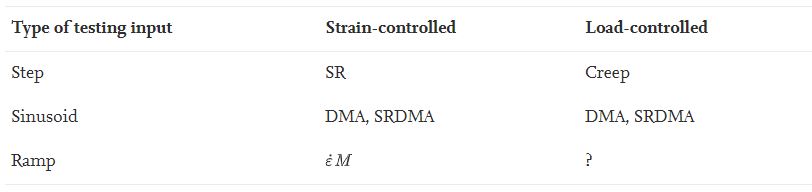
A lot of established viscoelasticity testing workflows are built around step-response or frequency-domain methods. Creep and stress-relaxation tests apply idealized step inputs, while DMA uses sinusoidal loading to measure storage and loss behaviour. Those methods are useful, but they also come with practical limitations, especially when researchers want a truly load-controlled, physically implementable ramp input.
That gap is exactly what this paper addressed. The authors point out that while strain-controlled ramp methods already existed, there was an evident lack of a load-controlled viscoelastic testing method based on ramp loading. Their sigma-dot method was designed to fill that space.
This makes the paper especially useful for researchers interested in stress-rate based viscoelastic characterization and time-dependent mechanical testing of biomaterials.
What the sigma-dot method does differently
The sigma-dot method is based on measurements collected at different constant stress rates. Those measurements generate strain-time curves that can be globally fitted to derive viscoelastic descriptors such as instantaneous modulus, equilibrium modulus, and characteristic retardation time. In this study, the authors used a Generalised Voigt model for that fitting workflow.
A major advantage of this form of viscoelasticity testing is that the ramp stress input is physically implementable and does not require a prior determination of the sample’s linear viscoelastic region. The authors also note that, unlike step-response tests, the method allows data from the linear viscoelastic region to be selected after measurement for later analysis.
That is a strong practical benefit for soft and labile biomaterials, where pre-stressing the sample or assuming the right loading region in advance can complicate testing.
How the CellScale MechanoCulture TR was used
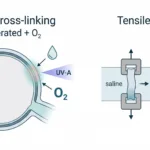
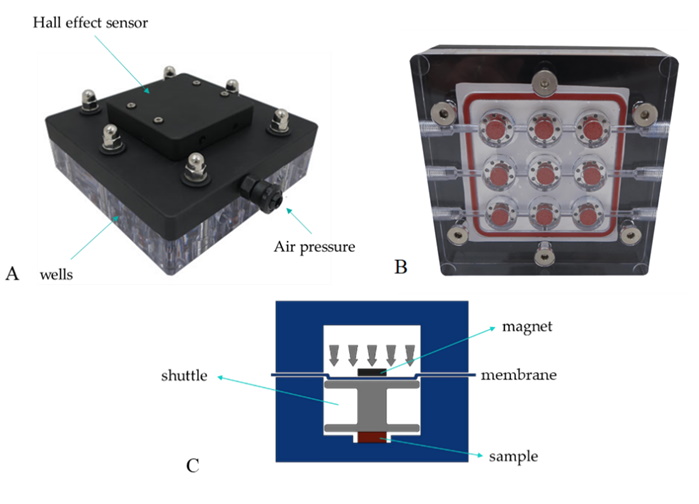
CellScale’s role in the study came through the MechanoCulture TR, a load-controlled bioreactor used here as one of the testing platforms for the new method. The MechanoCulture TR is a system that allows both mechanical stimulation and measurement of construct deformation during culture. It uses hydrostatic pressurization to apply force and Hall effect sensors to monitor displacement.
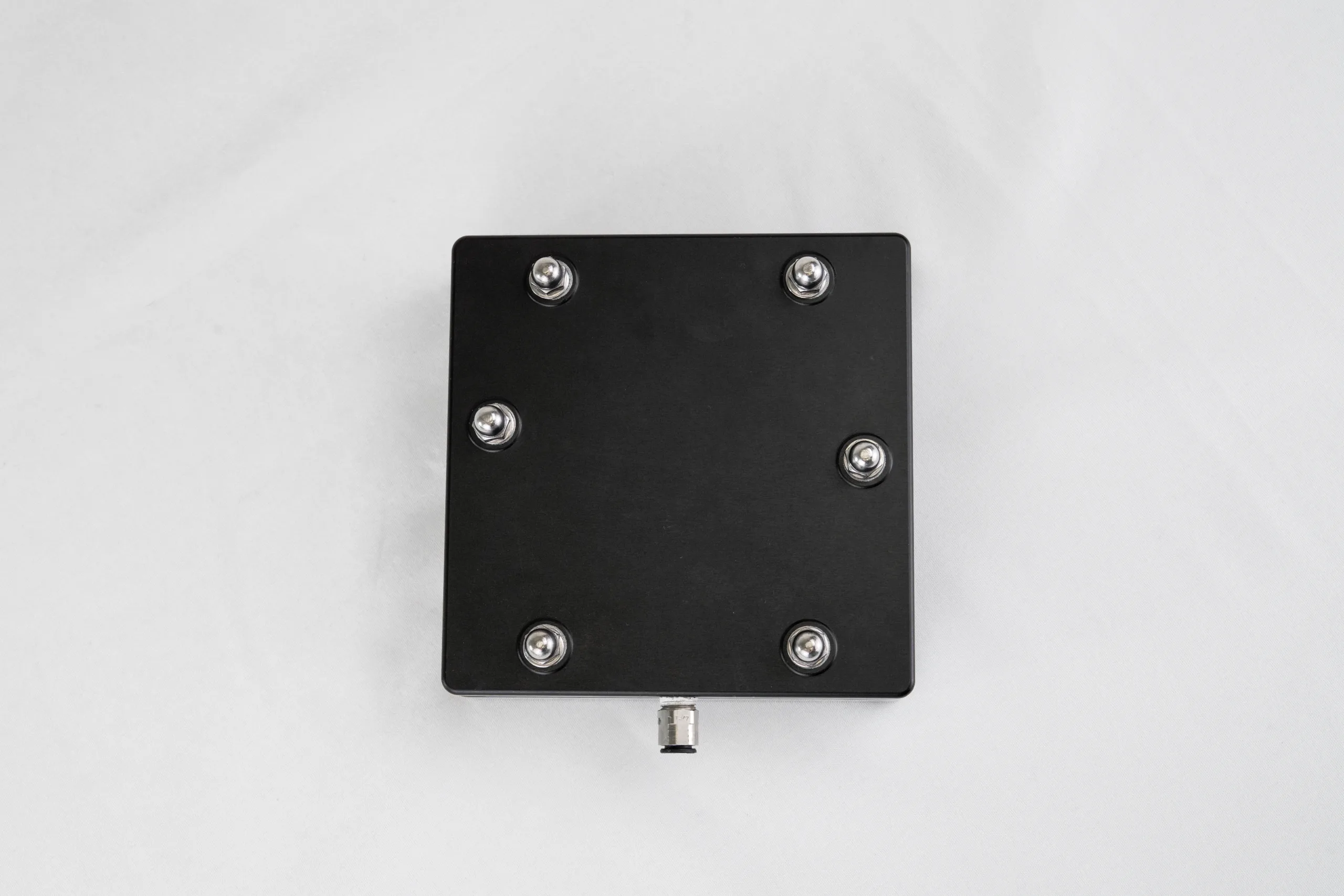
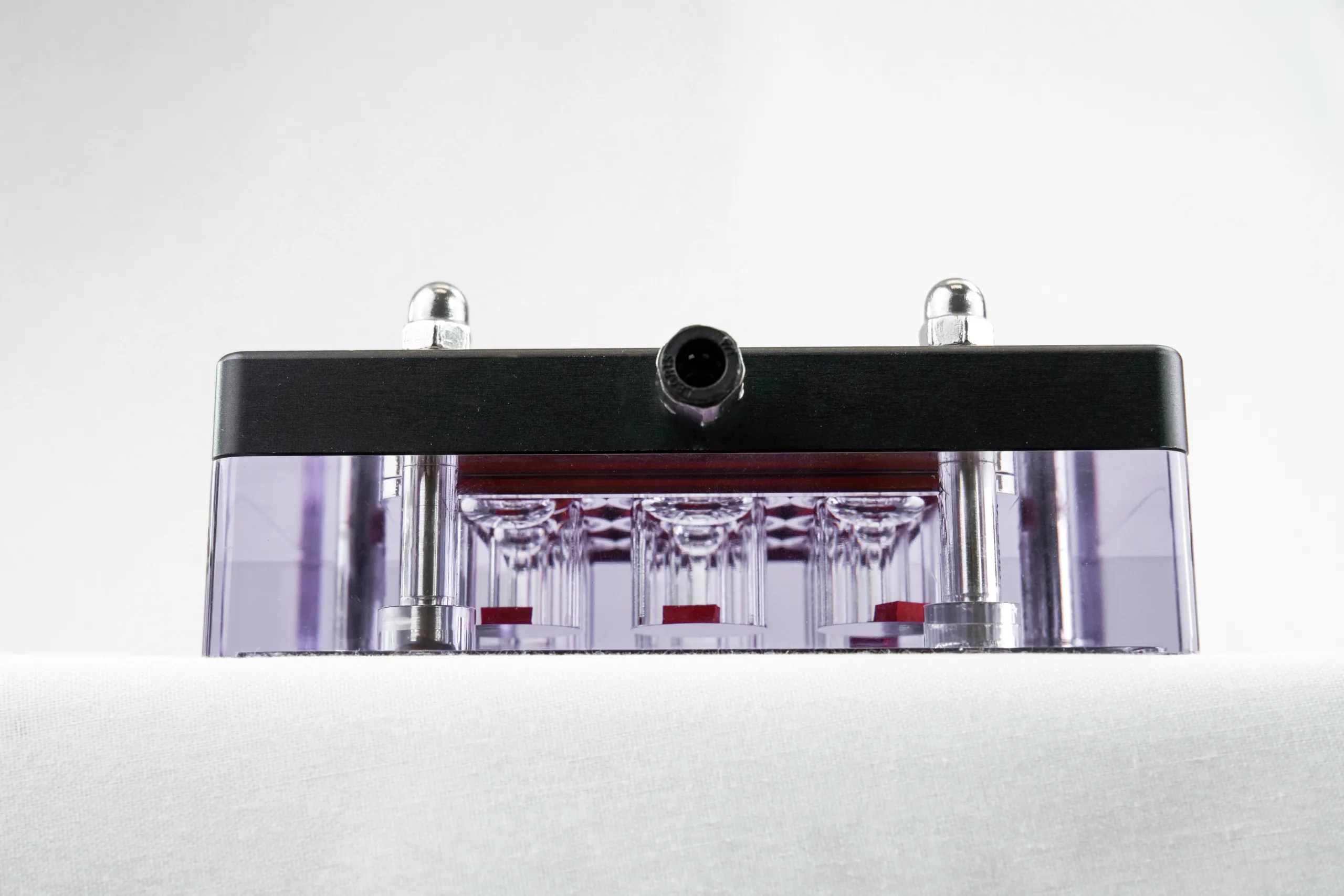
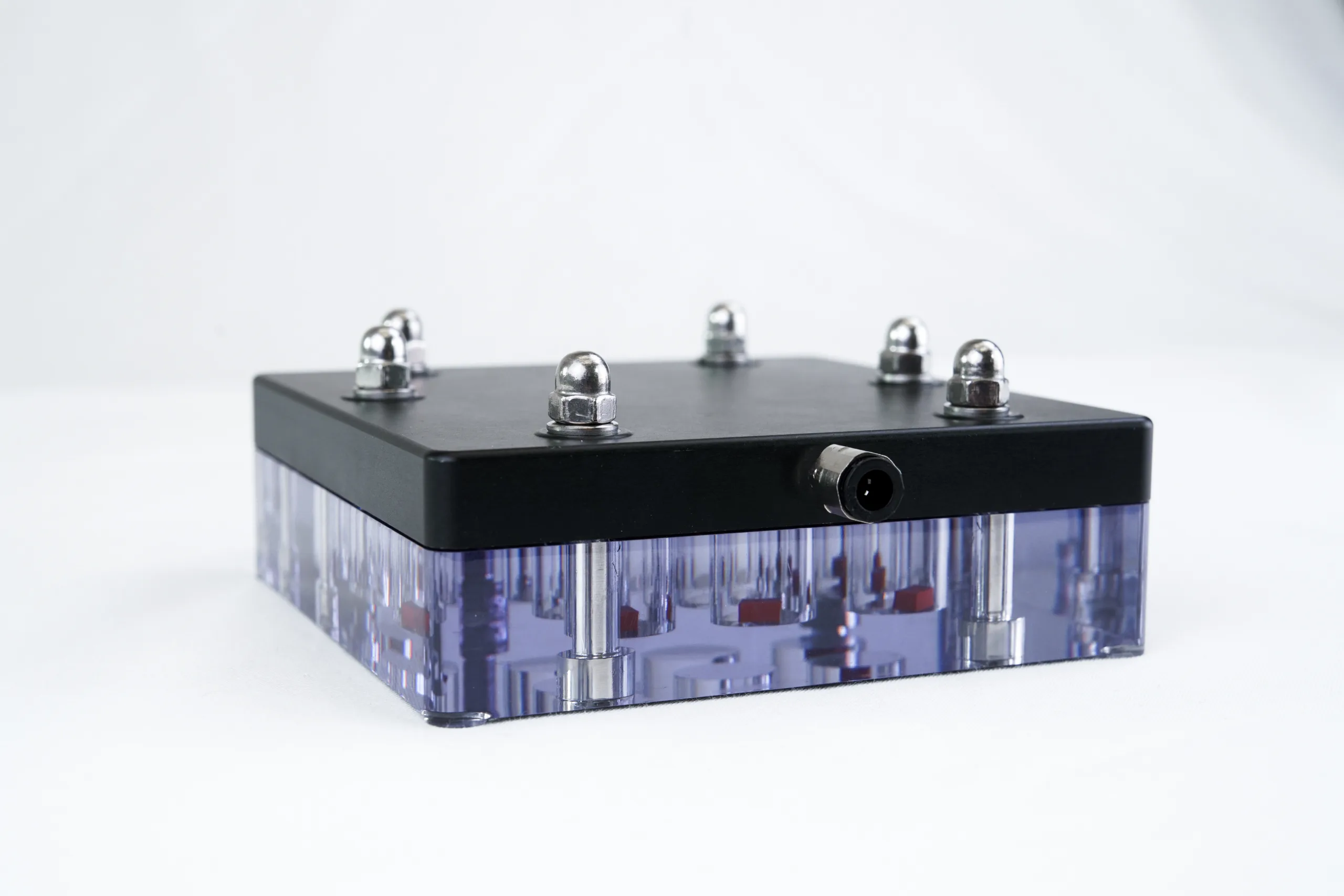
In this study, sigma-dot measurements were performed using both the MechanoCulture TR and a universal testing machine. That side-by-side design was important because it let the researchers test whether the derived viscoelastic parameters depended on the device itself. The answer was encouraging: the method produced comparable parameter estimates across both systems.
What materials were tested
To evaluate the method, the team tested two classes of biomaterial systems: PDMS samples with different monomer-to-crosslinker ratios, and hydroxyapatite-gelatin composite hydrogels. These materials were already known to behave as linearly viscoelastic materials in the region of small deformations, making them good candidates for method development and comparison.
That choice also makes the study relevant to multiple audiences. PDMS gives the work a polymer and elastomer angle, while HA/Gel hydrogels connect it directly to scaffold and tissue engineering applications.
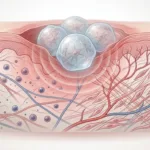
For a related read on soft biological constructs, our post on analysis of tissue spheroids may also be useful.
What the results showed
The results supported the method well. The sigma-dot strain-time curves obtained from the MechanoCulture TR and the universal testing machine were similar, and the derived viscoelastic parameters did not differ significantly between devices. That suggests the method is effective for deriving sample viscoelastic parameters independently of the testing device.
The method also distinguished meaningful material differences. The stiffer 10:1 PDMS samples showed higher elastic moduli and lower retardation times, while the HA/Gel hydrogels had lower elastic moduli and higher retardation times, consistent with more viscous hydrogel-like behaviour.
That is an important point for viscoelasticity testing. A useful method should not only be convenient to run. It should also capture biologically and materially meaningful differences between sample types.
How it compares with creep and stress relaxation thinking
One of the most interesting parts of the paper is how clearly it positions sigma-dot relative to classical methods. The authors do not argue that creep or stress relaxation are irrelevant. Instead, they show that sigma-dot offers a valid creep and stress relaxation alternative in situations where a ramp stress input is more practical to implement.
They also point out an important reality in biomechanics: in theory, a material should have unique mechanical properties, but in practice different testing methods can produce different derived values because each method comes with its own experimental limitations. That is part of why a method like sigma-dot is useful. It expands the set of available tools for time-dependent mechanical testing of biomaterials without pretending that one method solves every problem.
Why this matters for biomaterials and mechanobiology
The broader value of the paper is not limited to PDMS or HA/Gel hydrogels. The authors conclude that the method can be applied to viscoelastic materials including hydrogels, elastomers, bone cements, and biological tissues. They also emphasize that in situ testing with the MechanoCulture TR opens the door to studying both time-dependency and time-variance in evolving 3D cellular constructs.
That makes the method relevant to researchers working on extracellular matrix remodelling, growth, ageing, and disease-driven biomechanical change. In other words, this is not just a new test protocol. It is also a useful step toward more interrogable dynamic mechanical environments for living biomaterial systems.
Final thoughts
This paper makes a strong case for viscoelasticity testing with the sigma-dot method. By using constant stress-rate measurements, the authors created a practical load-controlled viscoelastic testing workflow that avoids some of the limitations of ideal step-input methods. Just as importantly, they showed that the method worked comparably across both a universal testing machine and the MechanoCulture TR.
For researchers working with hydrogels, scaffolds, and other soft biomaterials, that is a valuable result. It means viscoelasticity testing can be approached in a way that is load-controlled, physically implementable, and compatible with dynamic in vitro systems.
Read the full publication here: A new load-controlled testing method for viscoelastic characterisation through stress-rate measurements
To learn more about the instrument used in this study, visit the CellScale MechanoCulture TR bioreactor page.